
How Hotel Property Owners Can Afford to Maintain Sustainability
-

How Hotel Property Owners Can Afford to Maintain Sustainability
To provide services for guests, hotel properties are prone to consuming a high volume of energy and water. Heating, cooling, lighting, laundry, irrigation, and operating swimming pools are just some of the activities that drive usage. Just how much? A recent report from the Urban Land Institute reveals that hotels are among the highest energy…
-

Mixed-Use Property Owners Maximize Business Potential With C-PACE
According to data from the Department of Energy, there are nearly 6 million commercial properties in the U.S., utilizing 97 billion square feet of floor space. Collectively, this sector spends $190 billion on energy, creating an opportunity for businesses to improve efficiency and reduce costs around heating, cooling, lighting, and water. For mixed use property owners…
-

Why Retail Property Owners Should Consider Energy and Water Upgrades
As retail property owners adjust to a new normal and reimagine business models, controlling costs will be critical to success. Retail properties use an average of 18.3 kilowatt-hours (kWh) of electricity per square foot annually, with 60% of it consumed by lighting, heating and cooling. Lighting alone represents 25% of usage! You have an opportunity…
-
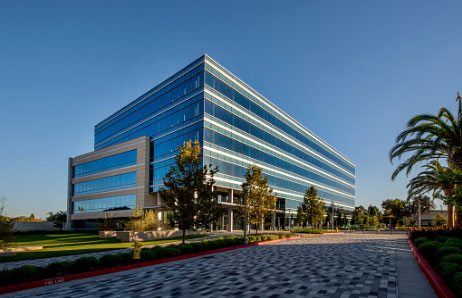
How to Retrofit Office Buildings With Efficiency Upgrades Without Breaking the Bank
Hot summer days and cold winters can be expensive for office building owners. According to the EPA, heating and cooling is one of the top uses for water consumption in office buildings. Energy represents nearly 20% of operational costs with more than 50% of energy use in the average office building coming from lighting, heating,…
-

How C-PACE Helps Industrial Property Owners Save On Energy and Water
Outdated, inefficient HVAC systems, lighting, water management and insulation are costing industrial property owners. According to data from the U.S. Energy Information Administration, the industrial sector consumes a considerable amount of energy in the U.S., accounting for 36% of total end-use energy consumption. Water consumption resulting from industrial processes and heating and cooling also adds up,…
-

Using C-PACE to Finance Energy and Water Upgrades at Multifamily Properties
Energy expenses can be one of the largest operating costs for a multifamily building. Water usage can add up too, especially in Texas where water expenses are the 10th highest in the country. It doesn’t help that energy and water expenses are variable, making the costs unpredictable for you and your tenants. To reduce costs, multifamily…
-

How Local Governments Can Improve Their Communities and the Environment at No Charge to the Taxpayer
It’s not often that an opportunity comes along that benefits your constituents, WITHOUT charging taxpayers money. Here’s one of those rare occasions. Almost 20% of the nation’s annual greenhouse gas emissions come from the energy use in commercial office buildings. 51% of that is HVAC alone! With the C-PACE, or “Commercial Property Assessed Clean Energy,”…
-

How To Pay For Upgrades to a Commercial Property
Are you like many Texas property owners who have a list of upgrades you would like to complete on your commercial property, but wonder if it’s the right time to tie up funds in such investments? Do you want to update the HVAC system, lighting, faucets, windows, roofing, etc. but wonder how you will cover…
-

Are Your Chamber Members Missing Out on Special Financing Opportunities?
Are any of your chamber members involved in real estate? Do they own a commercial building or manufacturing plant? Maybe they have a multifamily property? Any hotels or senior living facilities in your community? If you answered “yes” to any of the above questions, then your Chamber of Commerce needs to know about the Commercial…
-

How PACE Puts the “E” in ESG
1,014,443 gallons per year That’s the equivalent of 8,115,544 16 oz. bottles of water.(1) And it’s how much water was saved last year by Lone Star PACE projects. PACE stands for Property Assessed Clean Energy—a voluntary program that provides attractive long-term financing of qualified upgrades to commercial, industrial, and multifamily buildings in participating cities and…